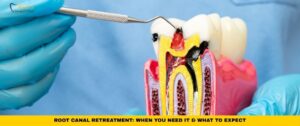
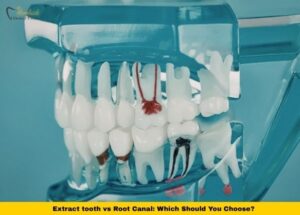
You need a root canal when the soft tissue inside your tooth (called the pulp) becomes infected or damaged beyond repair. The most common reasons include deep cavities, cracks, or trauma. Without treatment, the infection can spread, cause severe pain, and eventually lead to tooth loss, but a root canal can save your tooth and stop the problem from getting worse. Continue reading to find out more details about root canal treatment Vancouver.
Why Would Anyone Need a Root Canal?
The inner part of your tooth is soft and contains nerves and blood vessels, which is called the pulp.
If this pulp is injured by decay or trauma or if further dental treatment has been performed, the pulp cannot heal itself. A root canal is performed to help remove the damaged pulp and to clean the inside of the tooth, thus sealing it off to prevent further infection. The alternative is typically tooth removal, the entire tooth.
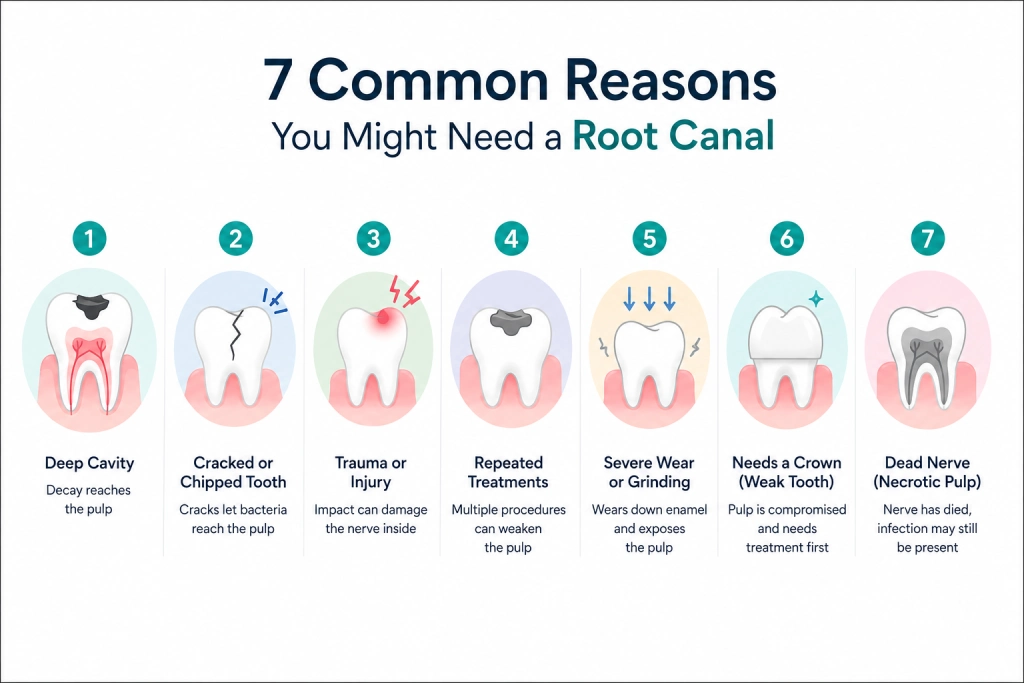
Top 7 Reasons You Might Need a Root Canal
Why do I need a root canal? The reasons vare different, but some of them are more common than others such as deep cavit, cracked tooth, or injury. Here are more details:
-
Deep cavity reaching the pulp
This accounts for about 60% of all root canal cases. When decay goes untreated, bacteria eventually reach the nerve.
-
Cracked or chipped tooth
Even a small crack can allow bacteria to enter and infect the pulp.
-
Trauma or injury to the tooth
A hit to the mouth can damage the nerve inside, even if the tooth looks fine on the outside.
-
Repeated dental procedures on the same tooth
Multiple fillings or treatments can irritate or weaken the pulp over time.
-
Severe wear or grinding
Chronic teeth grinding can wear down enamel and expose the pulp.
-
Tooth needing a crown but with weak structure
Sometimes a tooth requires a crown, but the pulp is already compromised and must be treated first.
-
Dead nerve (necrotic pulp)
The nerve has died, often without any pain, but infection may still be present.
Common Signs You May Need a Root Canal
All symptoms are not obvious, and some people have no pain at all. But they may feel sever toothache, sensitivity and pain:
- Persistent or severe toothache
- Lingering sensitivity to hot or cold (doesn’t go away quickly)
- Tooth discoloration (gray or dark color)
- Pimple-like bump on the gum (called a fistula)
- Swelling around the tooth or face
- Pain when biting or chewing
- Loose tooth
- No symptoms at all (asymptomatic infection)
If you’re experiencing any of these, you should be checked by a dental clinic in Vancouver soon.
I Have No Pain, Why Do I Still Need a Root Canal?
This is one of the most confusing situations for patients, but it’s actually common.
Once the nerve that supplies a tooth is dead (necrotic), the can not communicate pain to the brain. This is why you may not have any symptoms when you are infected. Even though you cannot see it on an X-ray, your dentist can still see the infection and treating it will prevent the infection from spilling over into the bone surrounding it or into neighboring teeth.
Reasons you might need a root canal without pain:
- The nerve has completely died
- Infection is visible only on imaging
- Asymptomatic abscess has formed
- Tooth needs a crown but the pulp is compromised
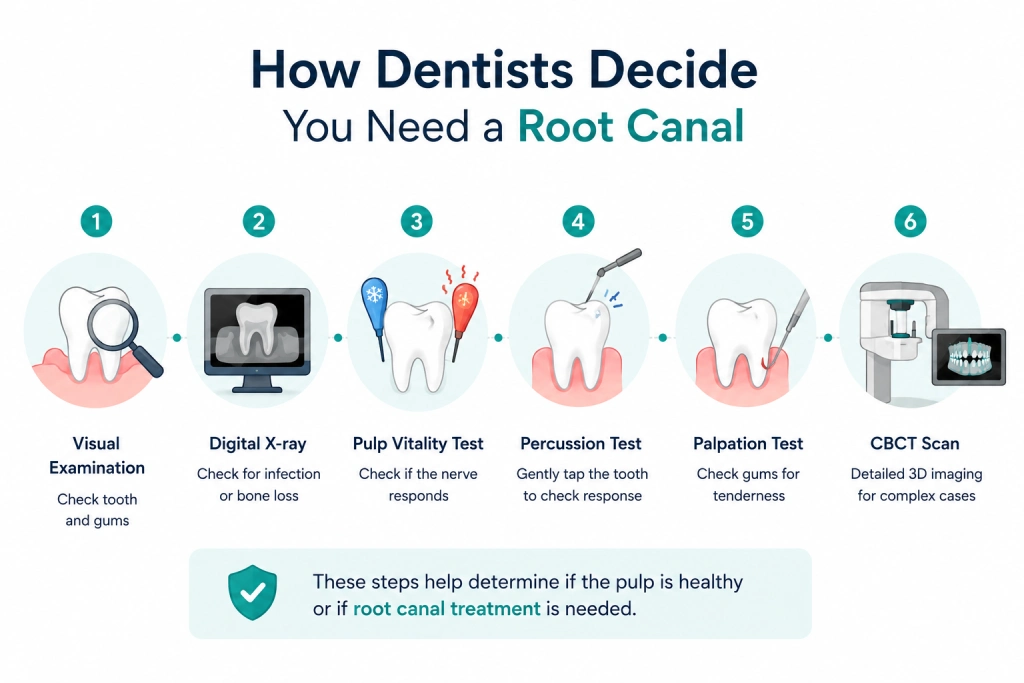
How Does a Dentist Decide You Need a Root Canal?
Diagnosing the need for a root canal retreatment involves several steps:
- Visual examination of the tooth and gums
- Digital X-ray to check for infection or bone loss
- Cold or hot pulp vitality test to see if the nerve responds
- Percussion test (gently tapping the tooth)
- Palpation test (feeling around the gum for tenderness)
- CBCT scan in complex cases for detailed 3D imaging
These tests help your dentist determine whether the pulp is still healthy or if root canal treatment in Vancouver is necessary.
Root Canal vs Filling: How Do I Know Which One I Need?
The main difference is how deep the damage goes. IN this table you can see more details:
| Factor | Filling | Root Canal |
|---|---|---|
| Damage depth | Enamel/dentin only | Reaches the pulp |
| Pulp infection | None | Yes |
| Pain pattern | Brief sensitivity | Lingering or throbbing |
| Procedure time | 20–30 min | 60–90 min |
| Cost | lower | higher |
If the decay or damage has reached the nerve, a filling won’t be enough, you’ll need a root canal to remove the infected pulp.
What Happens If I Don’t Get a Root Canal?
Delaying or refusing treatment can lead to serious consequences.
- Days to weeks: Pain worsens, infection grows
- Weeks to months: Abscess forms, swelling spreads to gum and face
- Months: Bone loss begins around the root
- Months to years: Tooth dies and must be extracted
- Severe cases: Infection spreads to the bloodstream, causing systemic health risks
Avoiding treatment doesn’t make the problem go away, it only makes it worse and more expensive to fix later. Have a checkup as soon as possible.
Is a Root Canal the Only Option?
In most cases, yes, but there are a few alternatives depending on the situation.
- Tooth extraction: Removes the entire tooth; usually the last resort
- Apicoectomy: A minor surgery to remove infection at the root tip when a root canal fails
- Pulp capping: Only works in very early cases where the pulp is barely exposed
- Watch and wait: It is occasionally suitable for reversible pulpitis, but risky
If you’re weighing extraction vs root canal, keeping your natural tooth is almost always better for your long-term oral health.
Should I Get a Second Opinion?
Yes, especially if you’re uncertain or the diagnosis seems unclear.
You should consider a second opinion if:
- Diagnosis is based only on a simple X-ray (not CBCT)
- You have no pain and no clear signs of infection
- The cost is high and you don’t have insurance
- You’re unsure about the pulp vitality test results
An endodontist, a root canal specialist, can provide a more detailed evaluation and confirm whether treatment is truly necessary.
What If My Dentist Was Wrong?
Misdiagnosis is rare to happen by dentists, but it can happen. Sometimes a tooth that seems to need a root canal is actually experiencing reversible inflammation. In other cases, pain from one tooth is felt in another (referred pain). This is why pulp vitality tests and imaging are so important.
If you’re unsure, ask for a pulp test or request a referral to an endodontist for confirmation before moving forward.
Can I Avoid Needing a Root Canal in the Future?
Prevention is always the best strategy. Here are some ways that you can consider before having root canal treatment:
- Brush twice daily with fluoride toothpaste
- Floss daily to remove plaque between teeth
- Visit your dentist every six months for checkups
- Treat cavities early before they reach the pulp
- Wear a mouthguard if you play sports or grind your teeth
- Avoid chewing hard foods if you have cracks
- Limit acidic drinks that weaken enamel
Taking care of your teeth now can save you from needing extensive dental work later.
How Soon Should I Schedule a Root Canal?
Timing depends on your symptoms.
- ASAP (within days): Swelling, fever, or severe pain
- Within 1–2 weeks: Moderate pain or sensitivity
- Within 1 month: Asymptomatic but confirmed by X-ray
If you’re experiencing swelling or fever, don’t wait, contact a dental clinic in Vancouver immediately, as these can be signs of a spreading infection.
Real Patient Scenarios
Case 1: “I had no pain, just a small bump on my gum”
A patient noticed a tiny bump but felt fine otherwise. An X-ray revealed a large infection at the root tip. After a root canal, the bump disappeared and the tooth was saved.
Case 2: “My filling was 10 years old and started hurting”
An old filling had developed decay underneath. The cavity had reached the pulp, causing lingering sensitivity. A root canal followed by a new crown solved the problem.
Case 3: “I was hit in the mouth playing sports, but there is no visible damage”
Trauma can damage the nerve even without cracking the tooth. Months later, the tooth turned gray and needed a root canal to prevent infection.
What Dentists Look for Before Recommending a Root Canal
Dentists carefully evaluate each case to avoid both over-diagnosis and under-treatment. They consider the severity of symptoms, X-ray findings, pulp vitality test results, and the patient’s overall dental history. Not all sensitivity means you need a root canal, sometimes minor inflammation can heal on its own with proper care.
Patient Reviews & Testimonials
Our patient, Rajat Thakur said to us that:
“I would like to share my wonderful experience with my root canal treatment today at Hemlock Dental Clinic. The entire procedure was completely painless, thanks to Dr. Alavi’s exceptional skill and gentle approach. I also want to appreciate Niki and Anandi for being so kind, caring, and welcoming throughout my visit and while treatment as well. Before today, I had a strong fear of dental treatments, but after this experience, I feel completely relaxed and confident. My dental anxiety has truly disappeared. I’m deeply thankful to Dr. Alavi and the entire team for their professionalism and care. Highly recommended for all dental treatments!”

Why Choose Hemlock Dental Clinic in Vancouver for Your Root Canal
If you suspect you need a root canal, choosing the right dental clinic in Vancouver makes all the difference. Look for a clinic with experienced endodontists, modern diagnostic tools like CBCT imaging, and a track record of patient comfort and successful outcomes.
Whether you need root canal treatment in Vancouver, or are considering a same-day root canal, our team at Hemlock Dental Clinic is ready to help. Contact us to set an appointment with Dr, Alavi.
FAQs
Can I refuse a root canal?
Yes, but refusing treatment usually means the infection will worsen and you’ll eventually lose the tooth.
How urgent is a root canal?
If you have swelling, fever, or severe pain, it’s urgent. Otherwise, schedule within 1–2 weeks to prevent complications.
Why does a dead tooth need a root canal?
Even though the nerve is dead, bacteria can still infect the tooth and surrounding bone. Treatment removes the infection and seals the tooth.
Is a root canal really necessary or can I just take antibiotics?
Antibiotics can reduce infection temporarily, but they won’t cure the problem.
Will my tooth heal on its own?
No. Once the pulp is infected or necrotic, it cannot regenerate or heal without professional treatment.
Can a dentist tell I need a root canal from an X-ray alone?
Often yes, but a complete diagnosis also includes clinical symptoms and pulp vitality tests.
What if I’m not sure the dentist is right?
Seek a second opinion from an endodontist or another dentist for peace of mind.
Is it ever too late for a root canal?
If the tooth structure is too damaged or bone loss is severe, extraction may be the only option.
Can stress or anxiety mimic root canal pain?
Stress can cause jaw clenching and tooth sensitivity, but true pulp infection has specific diagnostic signs.
Does insurance always cover root canals?
Most dental plans cover a portion, but coverage varies by plan and tooth location.